How I work
One engineer across every layer
New products fail at the hand-offs between theory, simulation, code and manufacturing. I work across all of them, so the physics in the first equations is still in the prototype that gets tested.
Layer 1Physics & theory
Understand the mechanism before modelling it.
- Continuum, solid and fracture mechanics
- Elasticity, plasticity and contact
- Vibrations, waves and acoustics
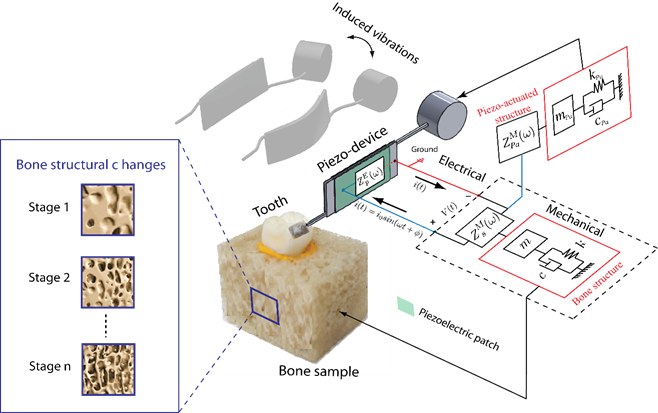
- Piezoelectricity and electromechanics
- Heat transfer and thermodynamics
- Fluid dynamics
- Electrochemistry of energy storage
Layer 2Modelling & simulation
Turn the physics into equations, then test designs virtually before building them.
- Analytical and reduced-order models
- Optimisation and inverse identification
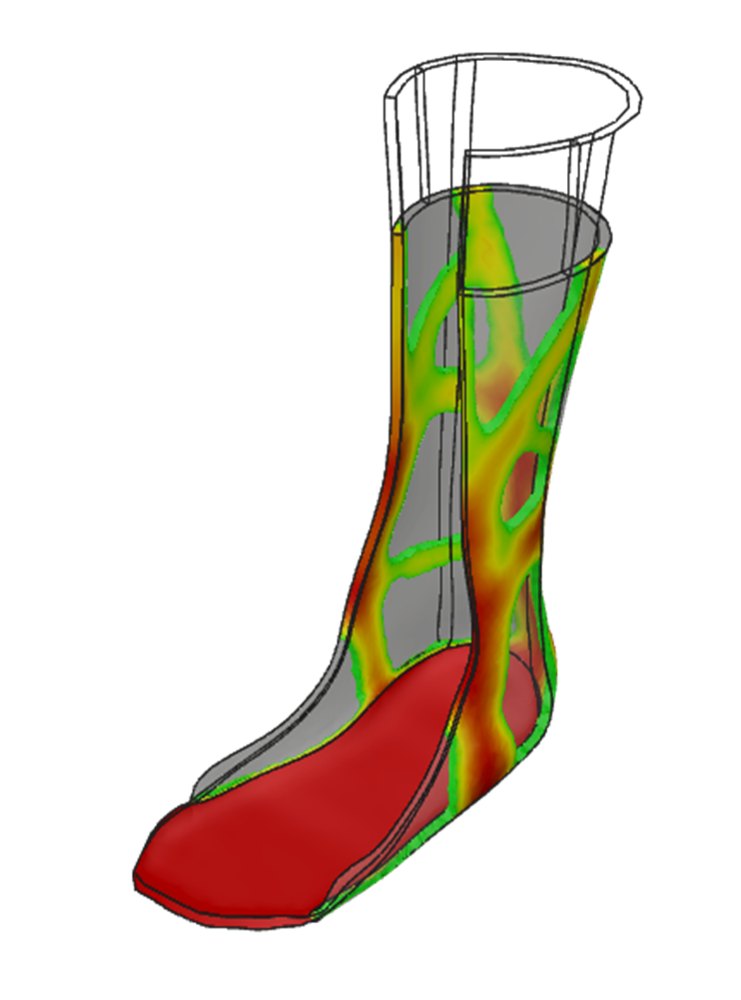
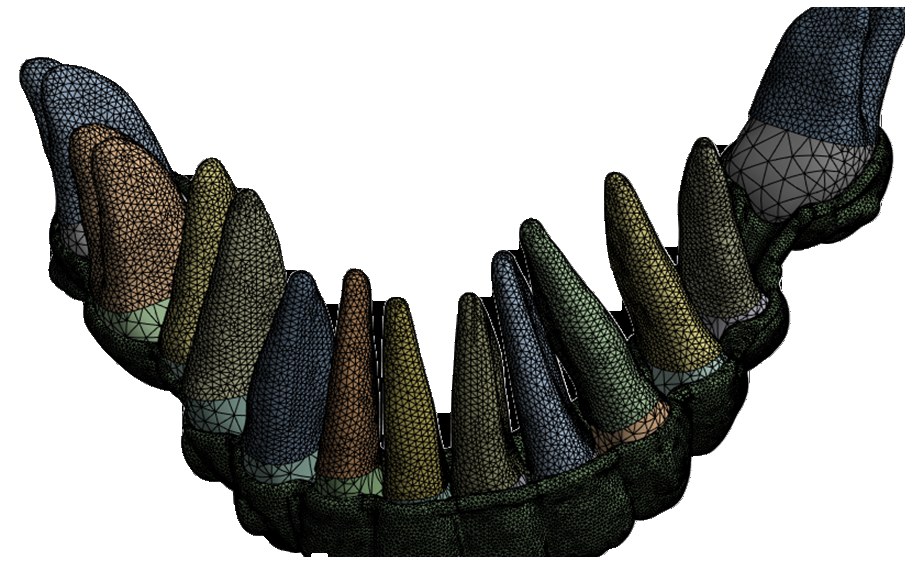
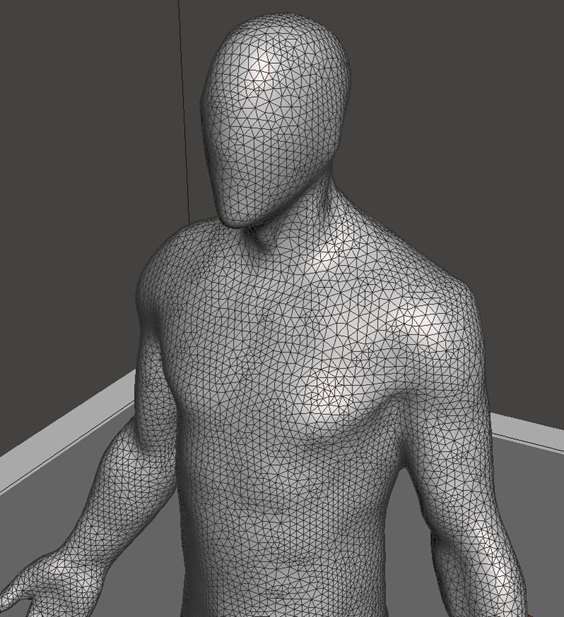
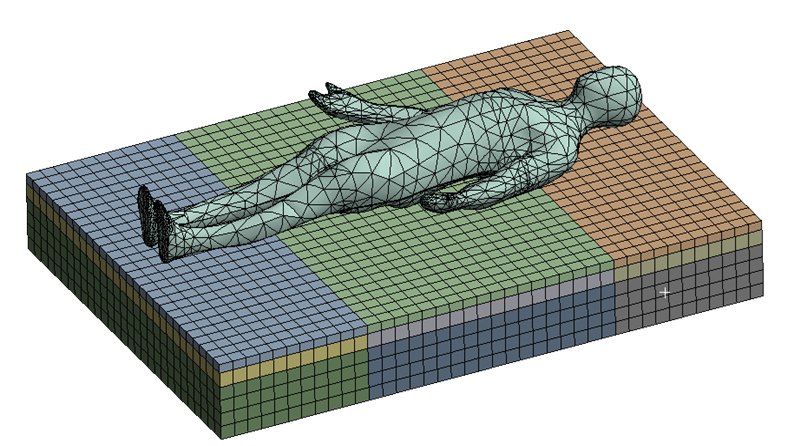
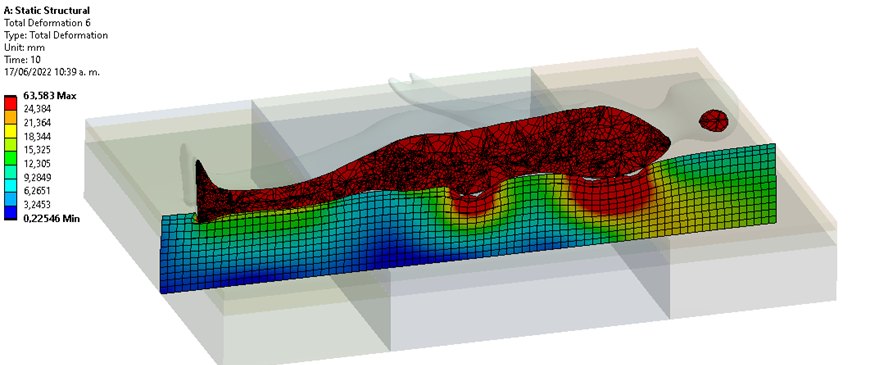
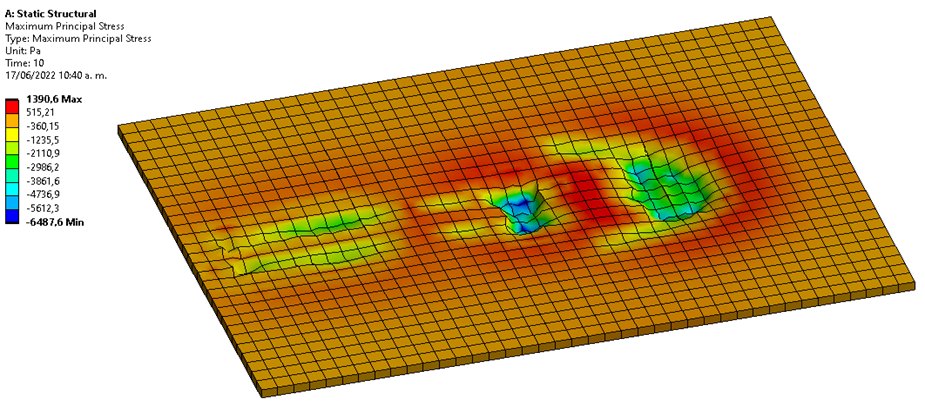
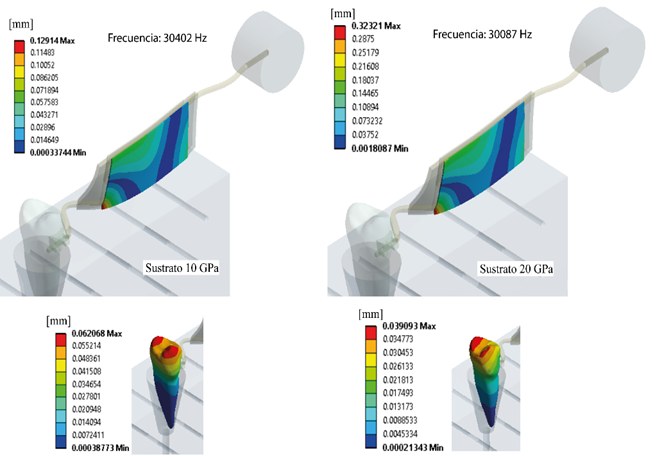
- FEA: nonlinear, contact, fatigue
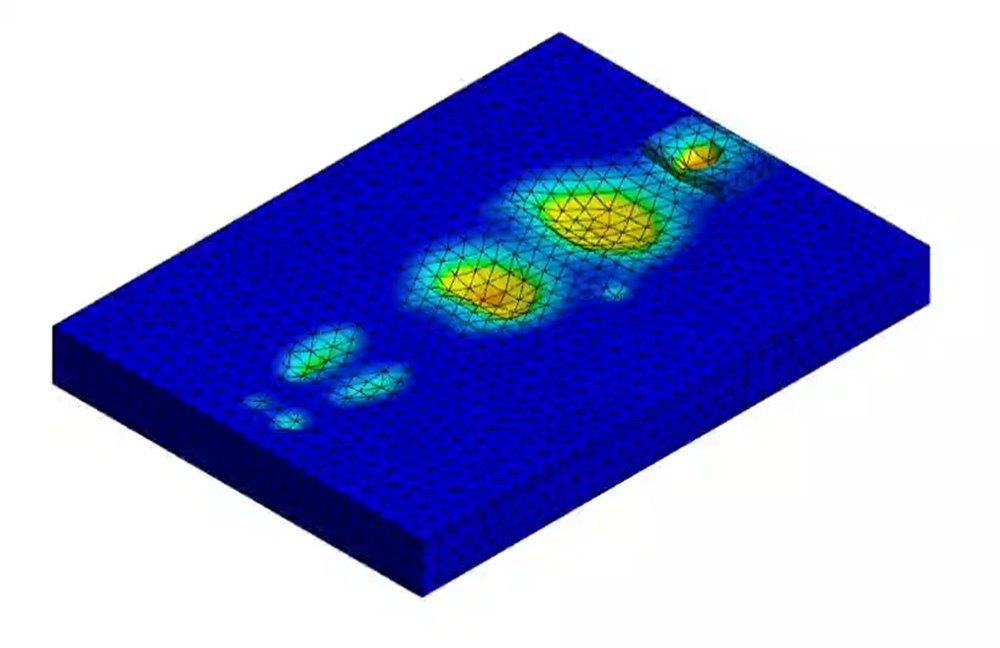
- Multiphysics, CFD, modal and harmonic
ANSYS · LS-DYNA · COMSOL · Simulink
Layer 3Programming & data
Turn models into tools and data into decisions.
- Scientific computing and automation
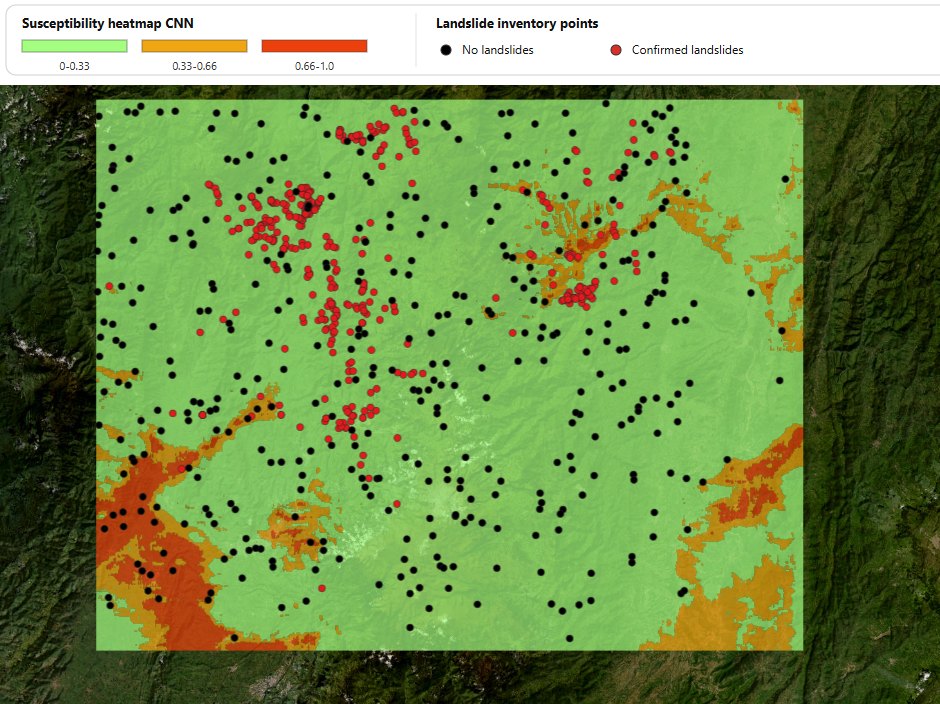
- Machine learning for engineering
- Signal processing and data pipelines
Python · MATLAB · R
Layer 4Design, prototyping & manufacturing
Choose how the product will be made, then prove it works.
- Design flow from concept to CAD
- Selecting manufacturing technologies and materials
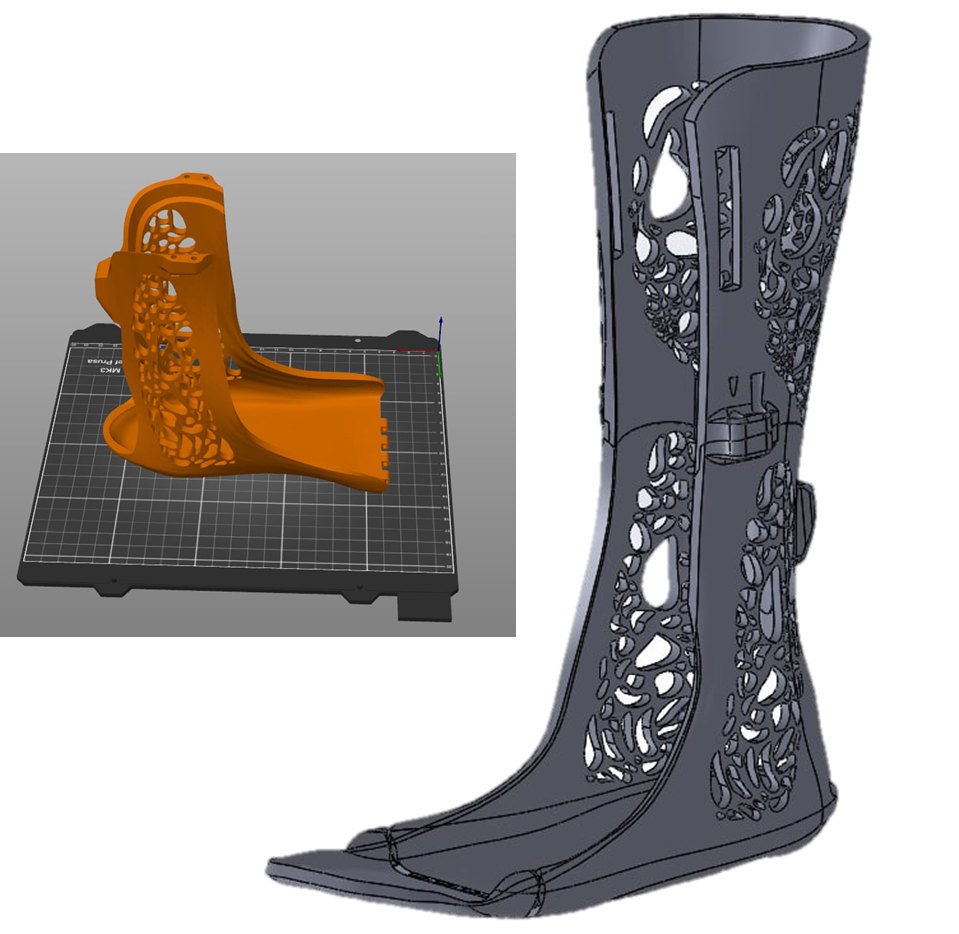
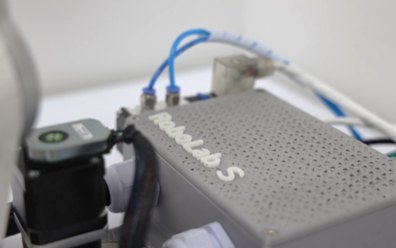
- 3D printing, machining and composites
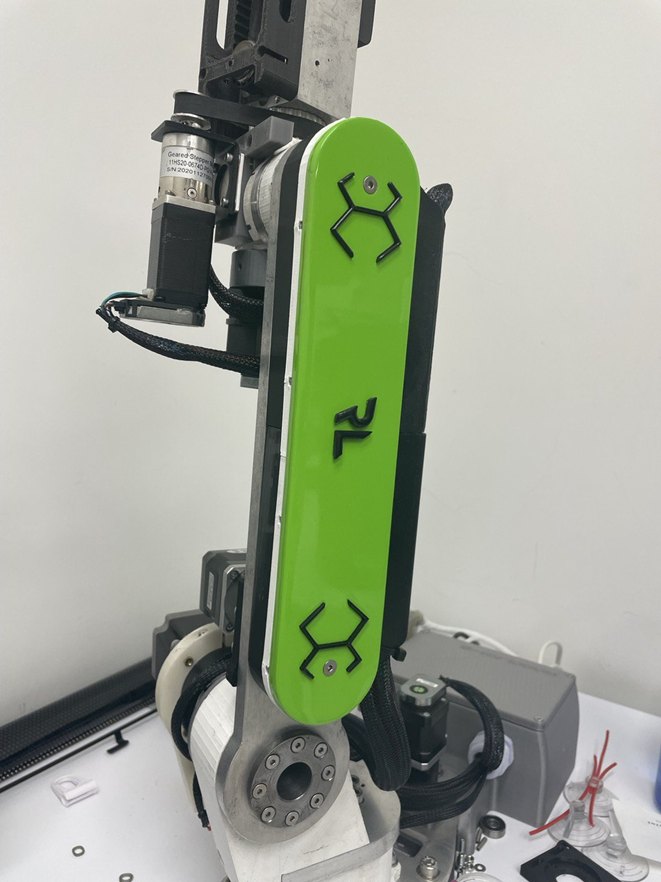
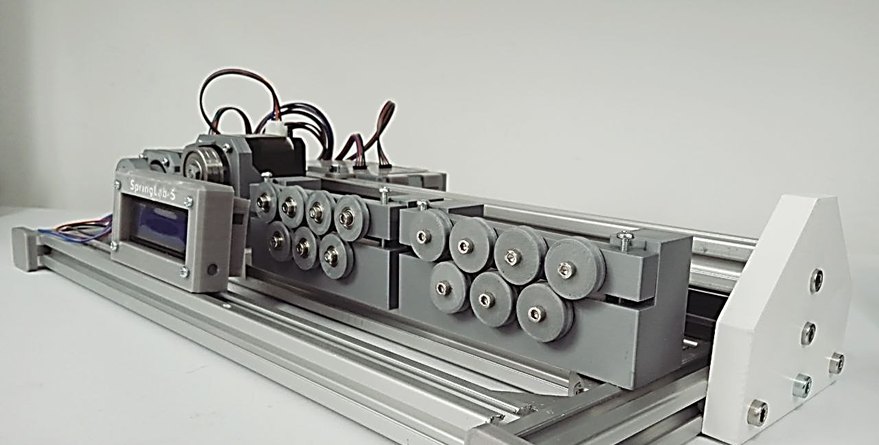
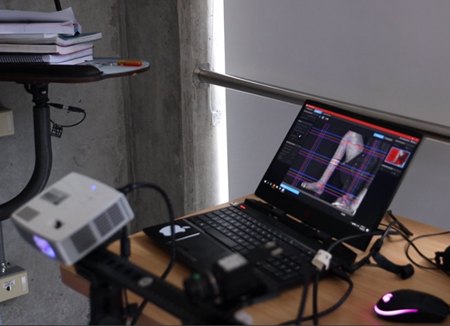
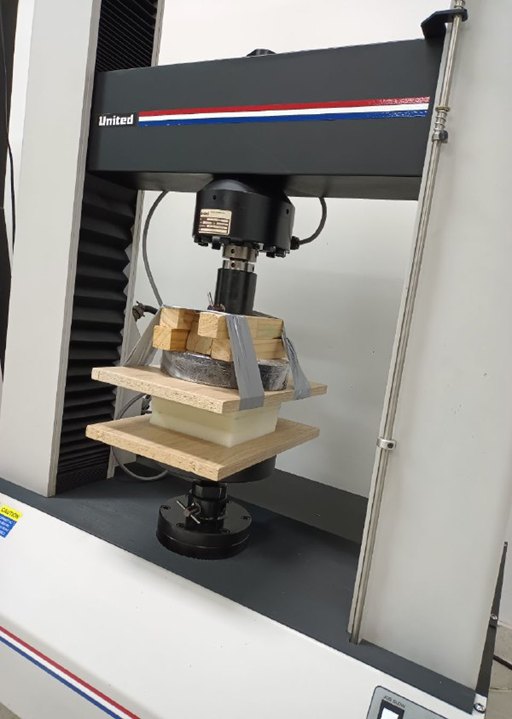
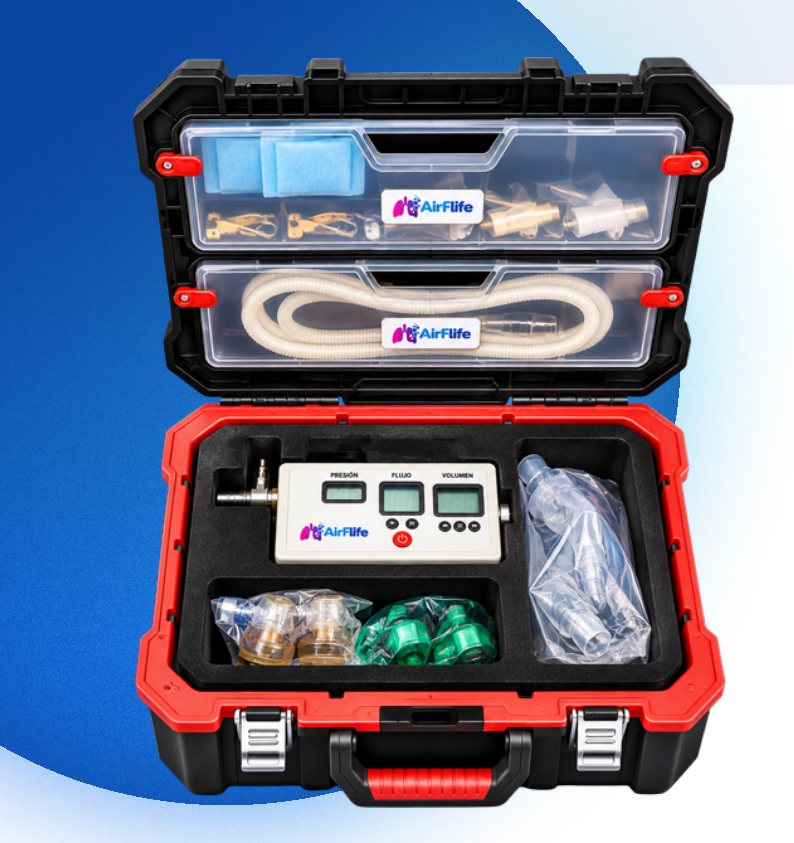
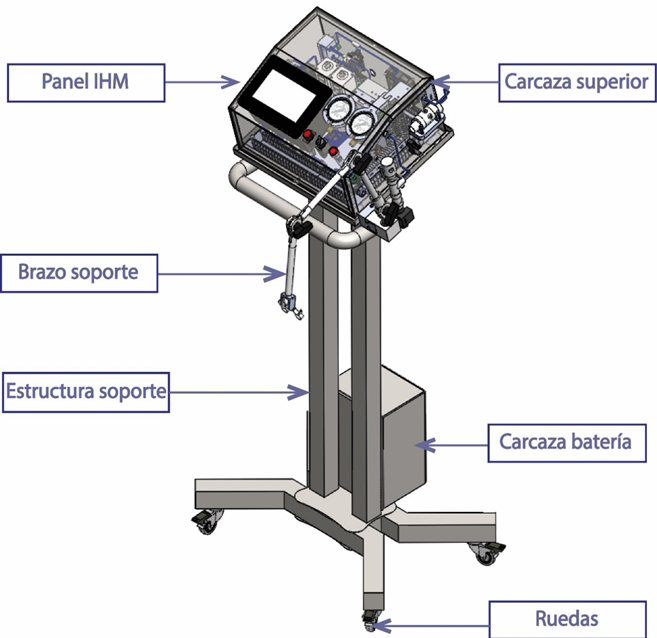
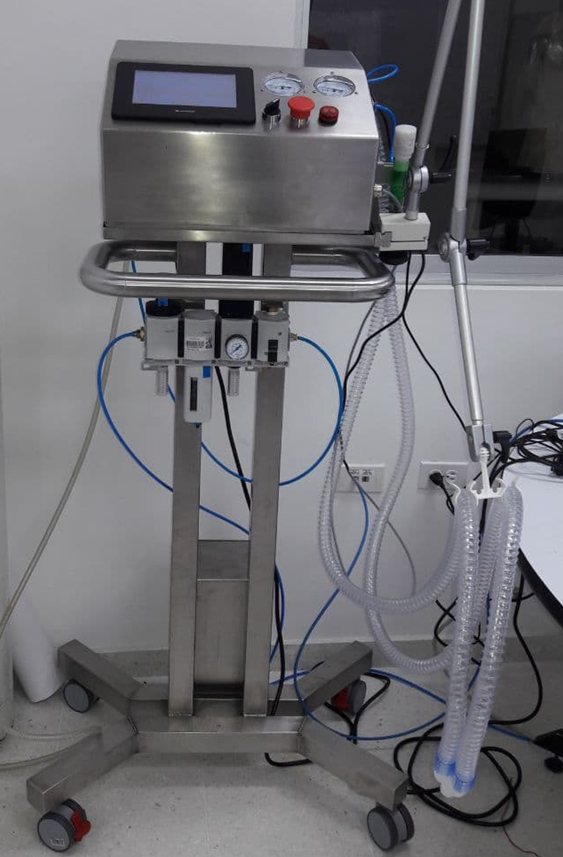
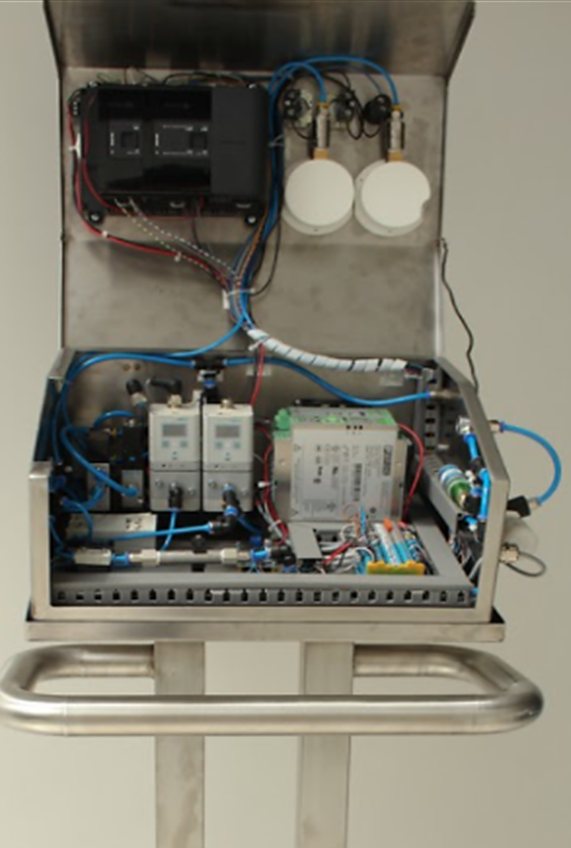
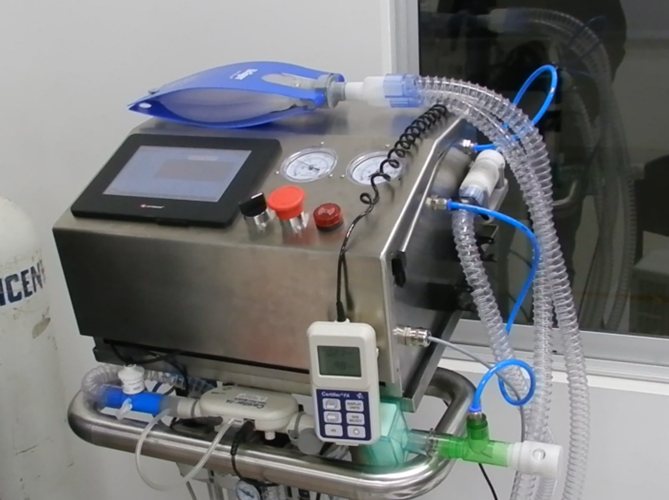
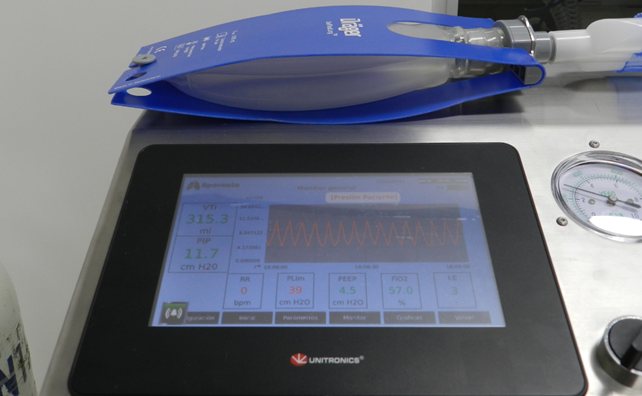
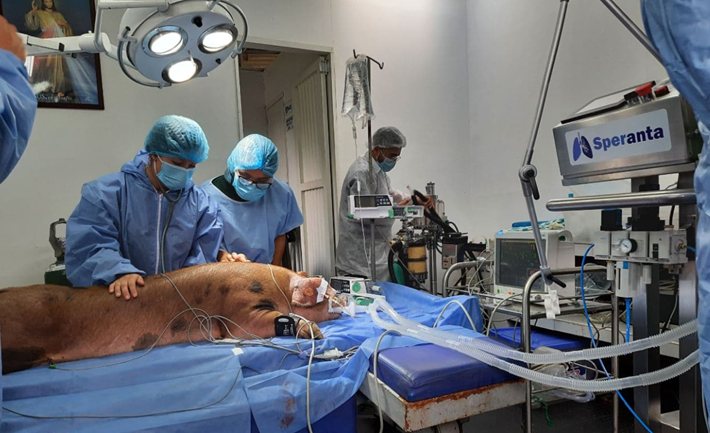
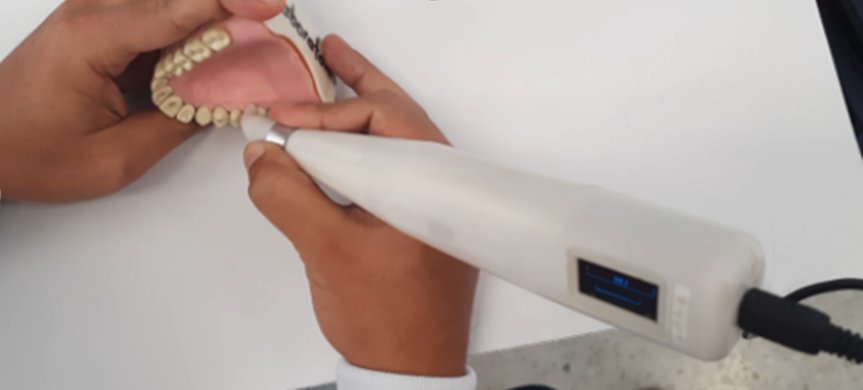
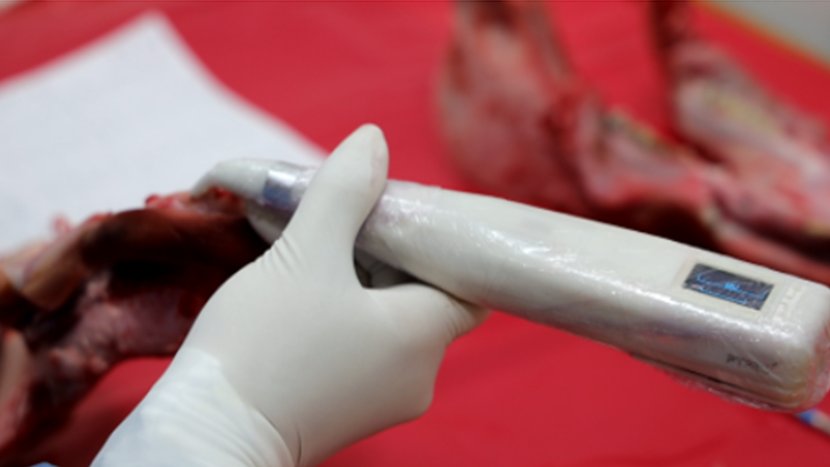
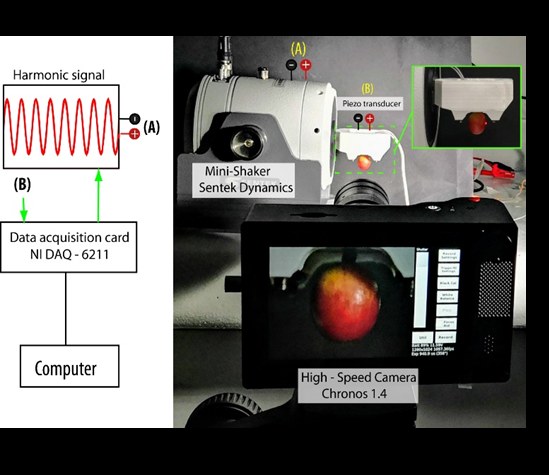
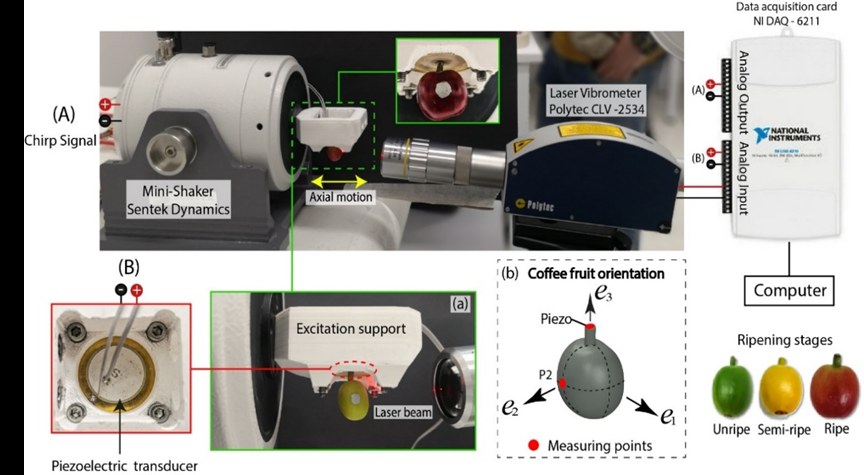
- Prototypes, test benches and validation
SolidWorks · CATIA · SpaceClaim
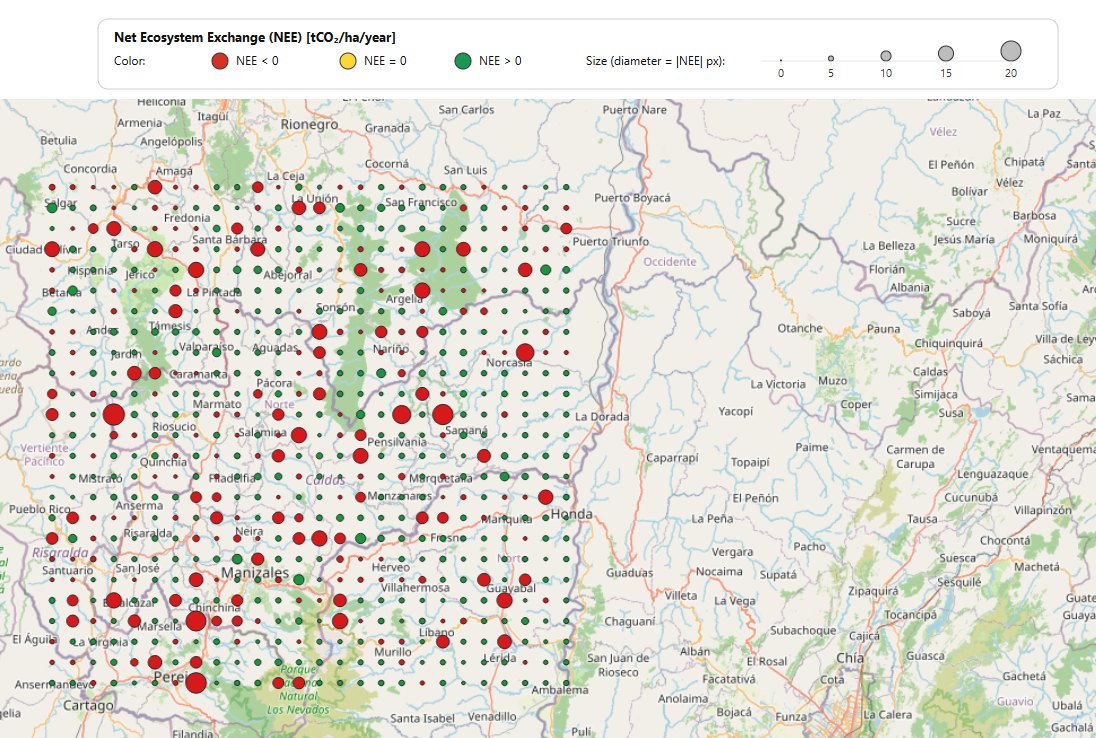
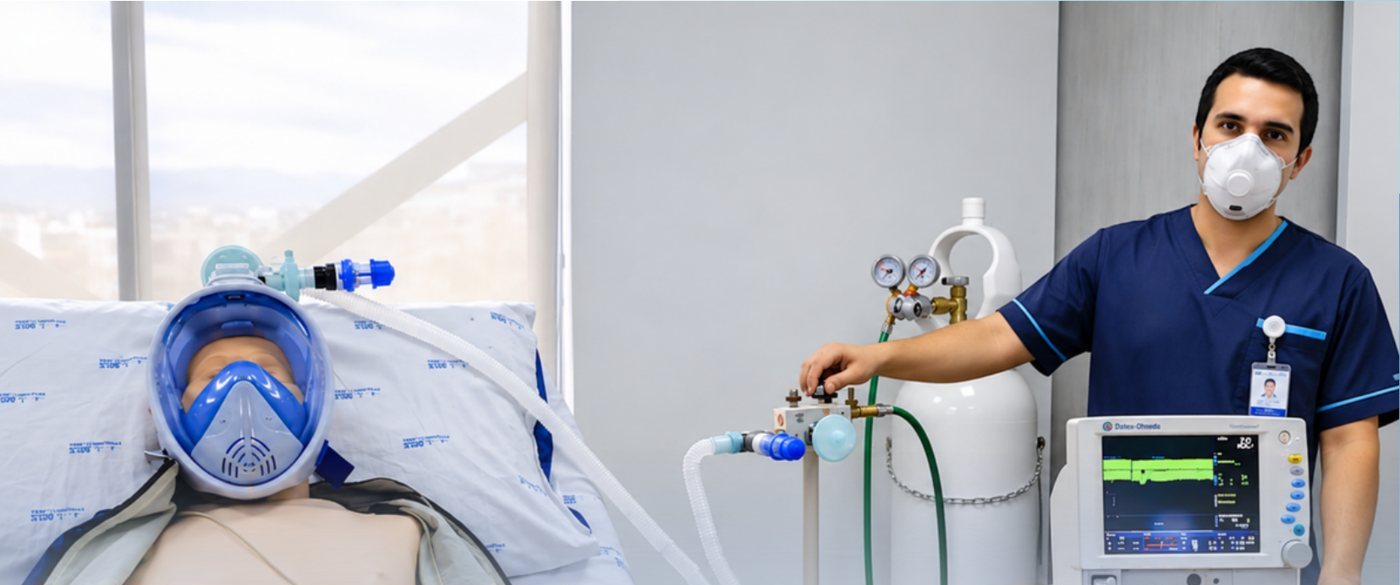
Applied toMedical devicesRobotics & mechatronicsEnergy harvestingAgri-techSmart materials & SHMThin films & micromechanicsEnergy storageSatellite data & AI